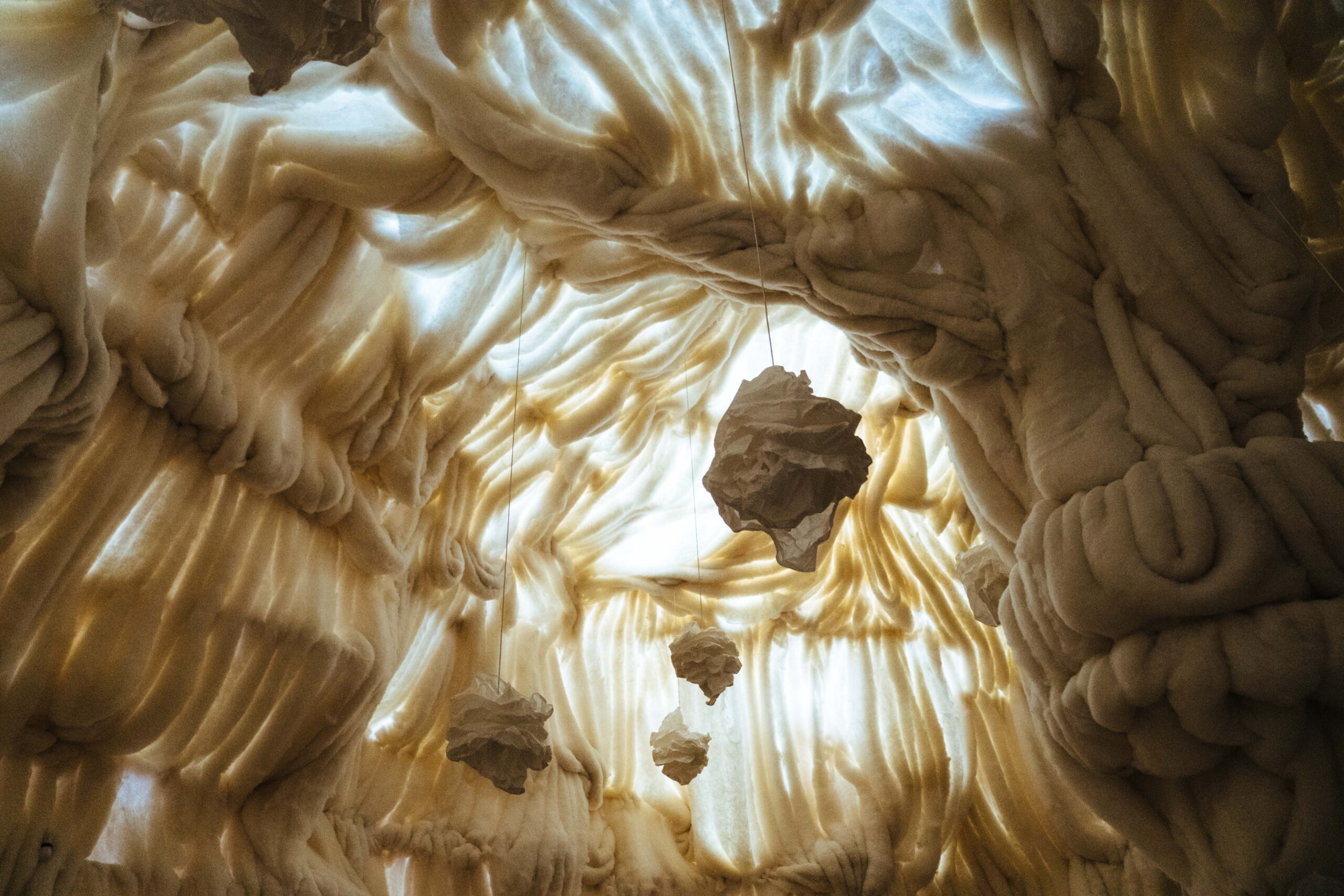
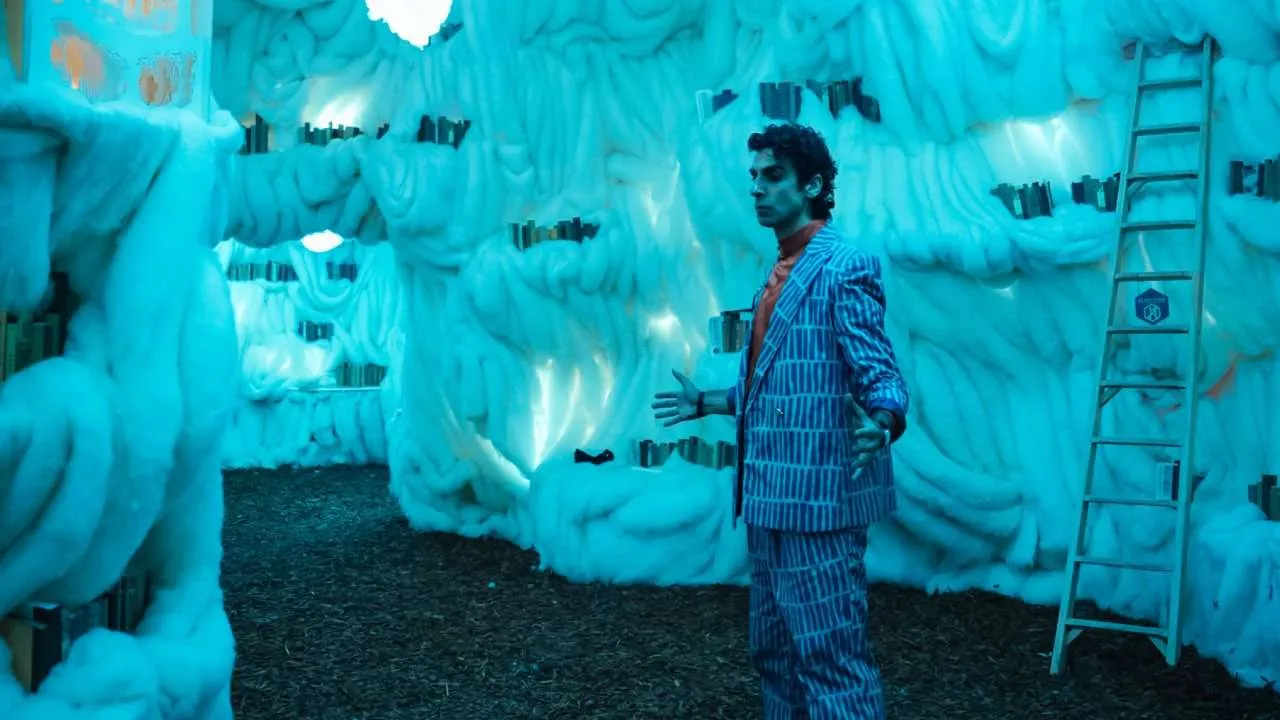
Most of us have stood in the swirling projections, gasped, taken the selfie…. but as the paintings dissolve around us and the crowd shuffles forward, a nagging question is left: was that art — or something else entirely?
The debate has arrived in the recent edition of the Royal Academy of Arts Magazine. Two voices, two verdicts and between them, one of the more interesting opinions so far.
“Immersive experiences emphasise the wow factor — an amazement with what new technology is capable of.”
JJ Charlesworth, art critic
Art critic JJ Charlesworth doesn’t mince his words. By overwhelming the senses with space, light and sound, he argues, these immersive art experiences shut down the very faculties that art is supposed to activate. There’s no room to step back. No silence in which to think. The experience does all the feeling for you, and your only job is to be amazed.
Anyone who has drifted through an immersive art show with their jaw slightly open might recognise this feeling. The passivity can feel strangely alienating once the lights come up. You were moved, but were you challenged? You were dazzled, but did you understand anything differently afterwards? Charlesworth would say: probably not. And he’d argue that’s by design.
| JJ Charlesworth, art critic “By overwhelming us with space, light and sound it denies us the ability to be active, to step back, think and reflect on what we are seeing. These experiences encourage only the passive side of fascination with art.” |
Helen Marriage, experiential art producer “Immersive does not mean tasteless… the thrill of the unforgettable shared experience; the feeling that you’re audience and participant. Immersive art shows are popular for a reason.” |
On the other side of the RA’s debate stands Helen Marriage, someone who has spent a career producing experiential art. Her response states that popularity is not a disqualification. People turn up in their thousands to stand inside these art experiences because something real is happening to them. The body responds. The memory forms. The moment – shared with strangers, unrepeatable – lodges somewhere important.
“Immersive” has come to stand in for a particular kind of commercially packaged, warehouse-based, walk-through experience – the successful commercial model sells merchandise on the way out and charges c.£30 for a ticket.
Immersion as a quality has a longer, more serious history. I was lucky 30 years ago to be a guest in James Turrell’s “Roden Crater” – The experience was truly immersive art.
“The thrill of the unforgettable shared experience; the feeling that you’re audience and participant.”
— Helen Marriage, experiential art producer
The honest answer, perhaps, is that “immersive experience” is now doing too much work. Immersive experience is now a vast spectrum – artist-led commissions to IP-driven events; a range that covers branded entertainment to artistic intention. With this broad spectrum, audiences often are not able to distinguish between them and the industry doesn’t always help.
The question for Scene2 is the one we keep coming back to: when there is no story to tell – what makes an immersive experience?
Stand inside a fully designed, high-quality finish, immersive experience, and the answer is likely yes. Stand inside a mediocre series of infographic boards leading to a giant lightbox show accompanied by a pumping soundtrack and you’ve basically watched a screensaver with queuing.
The debate continues. The lights go down. The crowd moves in.