
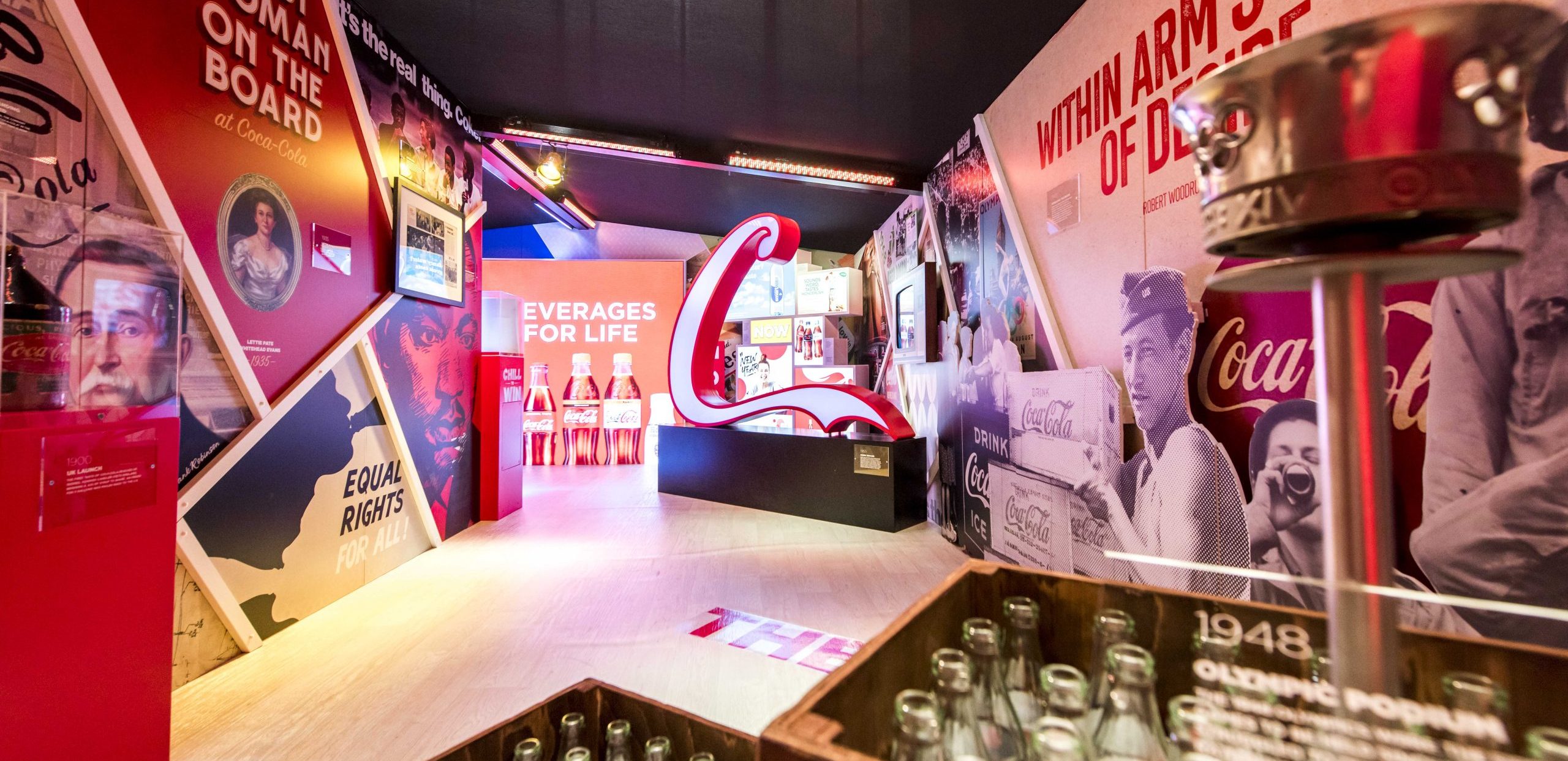
Understanding how an experiential installation is built separates the brands that deliver genuinely memorable activations from those that settle for dressed-up event kit. The process is longer, more technical, and more collaborative than most briefs anticipate, and when it goes wrong, it goes wrong in public. We have managed every stage of the experiential build process from our Essex workshop since 1999, and this walkthrough takes you inside it: from the first client conversation to the final walk-round on installation day.
From Brief to Blueprint: Where the Experiential Build Process Begins
Reading the Brief Like a Set Designer
Most fabricators start with dimensions and deadlines. We start with the audience.
That instinct comes directly from our theatre roots. In scenic design, you always work backwards, from the emotional moment you want to create, back through the spatial logic, and finally to the materials and methods that make it real. We bring exactly that discipline to every brand activation we take on.
When a brief lands, the first questions we ask are not structural. They are experiential: What should a visitor feel the moment they step inside? What is the single impression that should outlast everything else? Where are the friction points in the journey? Only once those are answered do we start thinking about how to build it.
This means the discovery phase involves stakeholders across the client’s team, brand, marketing, experiential leads, not just the event manager with the floor plan. Spatial logic, dwell time, traffic flow, and brand hierarchy all get mapped before a pencil touches a sketchpad.
Concept Development and Creative Feasibility
Creative concepts without structural rigour are just mood boards. Our design team stress-tests every idea against real-world constraints: venue access, rigging points, weight loads, power availability, and the hours actually available for installation. A concept that cannot be safely installed in the given window is not a concept, it is a liability.
We also design for immersive brand experience design from the outset, which means considering how a structure will be photographed, shared, and remembered, not just how it will stand up on the day.
Design, Engineering, and the Art of Making It Real
3D Visualisation and Technical Drawings
Once a concept clears the creative feasibility stage, it moves into technical design. We produce fully rendered 3D visualisations so clients can walk through the space virtually before a single component is cut. This is not just a sales tool, it is a critical quality checkpoint that surfaces problems early, when changes cost time rather than money.
From there, the visuals translate into CAD drawings and, where the structure demands it, full structural calculations signed off by a qualified engineer. For large-scale or elevated builds, branded towers, walk-through tunnels, cantilevered display structures, this engineering phase is non-negotiable. Skipping it is how installations fail.
Materials, Structures, and Scenic Fabrication Process
This is where the scenic fabrication process diverges sharply from standard event production. Hiring off-the-shelf kit means accepting whatever geometry, surface, and finish the hire company holds in stock. Bespoke fabrication means the structure is designed to express a specific brand idea, which often requires materials, forms, and finishes that no hire catalogue contains.
We work across timber framing, steel fabrication, MDF and ply forming, GRP moulding, foam carving, and tensile structures, often combining several within a single build. Material selection is driven by three factors: the visual effect required, the structural load it must carry, and the venue constraints it must respect. Getting that triangle right is a craft skill. It cannot be templated.
Inside the Build: How Brand Experiences Are Made in Our Workshop
Fabrication at Our 17,000 Sq Ft Facility
The build itself happens at our 17,000 sq ft facility in Essex, where carpentry, metalwork, scenic painting, and finishing all take place under one roof. That scale matters. A structural steel subframe can be welded in one bay while scenic joiners clad it in the next, and the painting team can begin finishing completed sections without waiting for the whole build to be done.
In-house fabrication eliminates the single highest-risk moment in any activation project: the handoff between a design agency and a separate fabricator. When those two functions are split across different businesses, briefing loss, quality drift, and timeline slippage are structurally almost inevitable. With everything under one roof, the team that designed it is the team that builds it, and every decision made on the workshop floor is made by people who understand the creative intent.
Clients including Netflix, NBC Universal, Coca-Cola, John Lewis, and Absolut have brought us projects where a fabrication failure or a late install simply was not an option. That kind of pressure focuses the process.
Painting, Finishing, and the Details That Make the Difference
Scenic painting is a discipline with a centuries-long craft history, and it is one of the most underestimated elements of an experiential build. A structure can be perfectly engineered and yet feel flat and unconvincing if the surface finish is wrong. Conversely, skilled scenic painting can make a timber flat read as aged stone, brushed metal, or sun-bleached concrete, transforming the material reality of the build into a fully realised environment.
Our finishing team works across base coats, tonal blending, texture application, and specialist effects. Every surface is checked under the lighting conditions it will face on site, because paint that reads correctly under workshop fluorescents can look entirely different under event RGBW rigs.
The Experiential Event Production Timeline: Keeping High-Stakes Builds on Track
The experiential event production timeline begins the moment designs are signed off, not the moment the build starts. Production scheduling works backwards from the installation window, accounting for fabrication phases, pre-rig testing, transport logistics, and the final refinements that arise when complex elements come together for the first time.
For a mid-scale brand activation, a realistic production window between design sign-off and installation is four to eight weeks, depending on structural complexity, volume of bespoke elements, and finish requirements. Larger or more technically complex builds require proportionally more time. Attempting to compress that window by overlapping phases that should run sequentially is one of the most reliable ways to introduce quality risk.
Build-week sequencing follows a logic familiar from theatre: primary structure first, secondary cladding and scenic dressing next, technology and lighting integration last, full dress and photo-check before the doors open. Each stage creates the conditions for the next. Disrupting the sequence disrupts everything that follows.
For brand marketers working to campaign go-live dates and media coverage windows, the lesson is straightforward: bring your fabricator into the timeline early. The earlier we are briefed, the more options we have to protect your deadline.
Brand Activation Production Steps: On-Site Installation and the Final Reveal
Site Surveys, Logistics, and Venue Liaison
Before any component leaves our Essex facility, we carry out a full site survey. Floor loadings, access routes, rigging infrastructure, power supply, and venue rules around fixings and structures all feed directly into how the build is designed for transport and installation. A structure that cannot get through the loading bay is not ready to install.
We liaise directly with venue operations teams on curfews, noise restrictions, and co-ordination with other build crews. In multi-supplier activations, festival environments, pop-up retail, trade show builds, clear communication between production teams is what keeps the critical path intact.
Installation Day and Snagging
The brand activation production steps on installation day follow a pre-agreed sequence, with crew roles assigned and H&S method statements in place before anyone picks up a tool. Because our installation crew is drawn from the same team that built the structure in the workshop, there are no briefing gaps. They know where every component goes, how every join works, and what the finished result is supposed to look like.
Rigging, dressing, and technology integration happen in staged passes. Once the structure is complete, we carry out a full snagging walk, checking every surface, every connection, and every branded element against the approved design. Only when that sign-off is complete do we hand over to the client.
That continuity, the same team from workshop floor to venue floor, is not a nice-to-have. It is the mechanism by which quality is actually guaranteed.
Why Theatre Roots Produce Better Brand Results
Scene2 was founded by a husband-and-wife theatre design team, and that origin is not just a founding story, it is the operating philosophy. Scenic design has always been about creating environments that produce a specific emotional response in an audience moving through a space. Scale, proportion, light, texture, and sequence are all tools in that discipline, wielded to guide attention and create feeling.
Brand activations work on exactly the same principles. The visitor arriving at a brand installation is an audience member, whether they know it or not. Their journey through the space, where they stop, what they photograph, what they tell someone later, is shaped by every decision made during the design and build process.
That theatrical heritage predates the experiential marketing category itself. We were building spatial narratives before the industry had a name for them. It is why our work tends to feel less like a branded structure and more like a place, somewhere with an atmosphere, a logic, and a reason to stay.
If you are planning an activation and want to understand what the build process looks like for your specific brief, talk to us. We have managed every stage of the experiential build process for more than two decades, and we are as invested in the result as you are.